
U.S. Consumers Shift Spending Amid ‘K-shaped’ Economy
American consumers have not stopped spending, but they are becoming far more selective about where their money goes. Behind that change sits a divided economy where one household can comfortably book an expensive dinner while another carefully checks grocery prices before reaching the register.
Economists describe this split as a “K-shaped” economy. Higher-income households can benefit from rising asset values and stronger finances, while many lower-income families face stubborn pressure from everyday costs. The result is a consumer market moving in two very different directions.
That divide makes claims that Americans simply have more money and refuse to spend it at disappointing businesses too simplistic. Some consumers certainly have more financial room and expect better quality for their money. Millions of others are making tougher choices because housing, food, energy, transportation, and debt payments consume large shares of their income.
Still, both groups have something important in common. Consumers increasingly want a clear reason to spend. A product or restaurant must offer an attractive price, noticeably better quality, or an experience that feels worth the cost.
Wealthier Americans are Still Ready to Spend

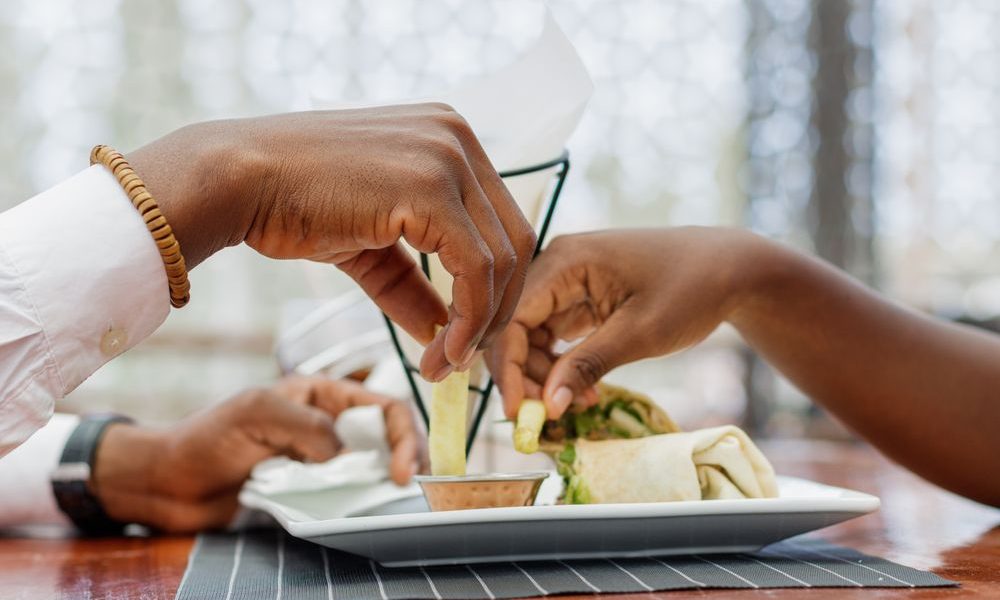
Asad / Pexels / Higher-income consumers remain one of the strongest parts of the U.S. spending picture. Households that own stocks, property, and other valuable assets have benefited when those holdings rise.
That wealth can make expensive dinners, vacations, luxury products, and entertainment easier to justify.
These consumers are not necessarily chasing the cheapest option. Many are willing to pay more when a purchase feels distinctive or delivers excellent service. Premium retailers and high-end experiences can benefit because their customers have enough financial flexibility to choose quality over price.
Restaurants provide a useful example of this behavior. An expensive restaurant can still attract customers when the food, atmosphere, and service support the price. Diners with money available for a night out may accept a large bill, but they increasingly expect the experience to justify it.
‘Stretched’ Households are Hunting for Real Value
The other side of the “K” tells a much different story. Many low-income and middle-income Americans continue to feel pressure from the cost of necessities. Even when inflation slows, households do not automatically get the old prices back, so years of increases can remain embedded in family budgets.
Rent, groceries, utilities, insurance, transportation, and other recurring expenses leave less room for optional purchases. Higher gasoline prices can make that squeeze worse because driving is difficult to avoid for many workers. An extra expense at the pump can quickly reduce the money available for restaurants or shopping.
Consumers under pressure have responded by becoming more deliberate. Some visit restaurants less often, choose smaller orders, use promotions, or switch to cheaper options. Fast-food companies have leaned heavily on value meals and discounts because customers increasingly notice the difference between convenience and genuine affordability.
Large chains cannot assume that a familiar logo will keep customers coming back. If a fast-food meal starts approaching the cost of a sit-down option, people may reconsider what they are getting for the price. The same calculation applies to clothing, groceries, household products, and entertainment.
The “Little Treat” is Replacing Some Bigger Splurges

Ron / Pexels / One result of tighter budgets is the rise of smaller indulgences. A specialty coffee, premium dessert, beauty product, or restaurant lunch can provide a sense of enjoyment without requiring hundreds of dollars.
These purchases are easier to fit into a strained monthly budget than a vacation or expensive shopping trip.
The price of the individual item may even seem high for its category. A customer might skip a major purchase but still spend extra on a favorite coffee or ice cream. The total cost remains manageable, and the purchase delivers an immediate reward.
This is another reason consumer spending cannot be reduced to a simple rich versus poor story. People can trade down in one category and trade up in another during the same week. Someone might shop at a discount grocer, postpone buying new furniture, and still pay for a memorable dinner on Saturday.
More inLifestyle
-
`
 How a Texas Town Is Redefining Housing for the Vulnerable
A large housing initiative in Ferris, Texas, is drawing attention for its focused approach to homelessness in North Texas. Located about...
April 9, 2026 -
`
 How an Unfamiliar Mind Shapes Perception, Relationships, and Daily Life
Moments often pass without notice, leaving a quiet question behind: Where did the time go? The concept of a beginner’s mind...
April 3, 2026 -
`
 Why These Popular Colorado Food Spots Are Worth a Visit!
Colorado makes it easy to plan an entire day around food. The state serves bold flavors, strange themes, and dining rooms...
March 27, 2026 -
`
 Rockstar Billy Idol Is Opening Up About Fatal Overdose in New Documentary
Billy Idol built his legend on attitude, leather, and loud guitars. The pop icon, now 70, became one of the defining...
March 19, 2026 -
`
 Why Saranac Lake’s Iconic Ice Palace Was Canceled This Year
For more than a century, winter in Saranac Lake meant one thing above all else. The Ice Palace rose from the...
March 13, 2026 -
`
 How to Manage Overwhelming Emotions? A Step-by-Step Guide
When your feelings feel too big to handle, it can be scary and confusing. Intense waves of rage, panic, grief, or...
March 7, 2026 -
`
 5 Reasons Why Japan Is a Must-Visit Destination for Alaskans
For many Alaskans, Japan feels far away on the map. The flight is long, and the culture seems worlds apart. Yet...
February 26, 2026 -
`
 Ice-T Looks Back at His Towering Career & Explains the Term “OG.”
Ice-T never set out to become a legend. The iconic rapper, 67, just wanted to survive, speak his truth, and make...
February 21, 2026 -
`
 How to Create Your Own Community
Most people say they want community, but very few know how to create one. The idea of a village sounds warm...
February 14, 2026
More From MilitaryBud
-
 U.S. Consumers Shift Spending Amid ‘K-shaped’ Economy
American consumers have not stopped spending, but they are becoming far more selective about where their money goes. Behind that change...
LifestyleSeptember 3, 2026 -
 Wendy’s Worker Asked to Eat on a Stranger’s Porch – It Changed Both Their Lives
A Wendy’s worker needed somewhere quiet to eat lunch after a rough day. A Florida homeowner gave her permission to sit...
CommunityAugust 26, 2026 -
 2026 AM/NS India Times Critical Thinking Championship Aims to Equip 1 Million Students with Essential 21st-Century Skills
Knowing the right answer matters in school, but knowing how to reach that answer matters even more. The AM/NS India Times...
Open Your MindAugust 20, 2026 -
 Bethenny Frankel Turns Her Viral “Supermodel Snacks” Into a Real Cafe Experience
Bethenny Frankel is taking one of her biggest social media successes beyond the screen. The entrepreneur and television personality is opening...
Food AdventuresAugust 12, 2026 -
 How Celebrity Farms & Billionaires Turned the Cotswolds Into a Billion-dollar Lifestyle Brand
The Cotswolds used to be that quiet, scruffy place where farmers worked the land and city folks escaped for a peaceful...
LifestyleAugust 6, 2026
You must be logged in to post a comment Login