
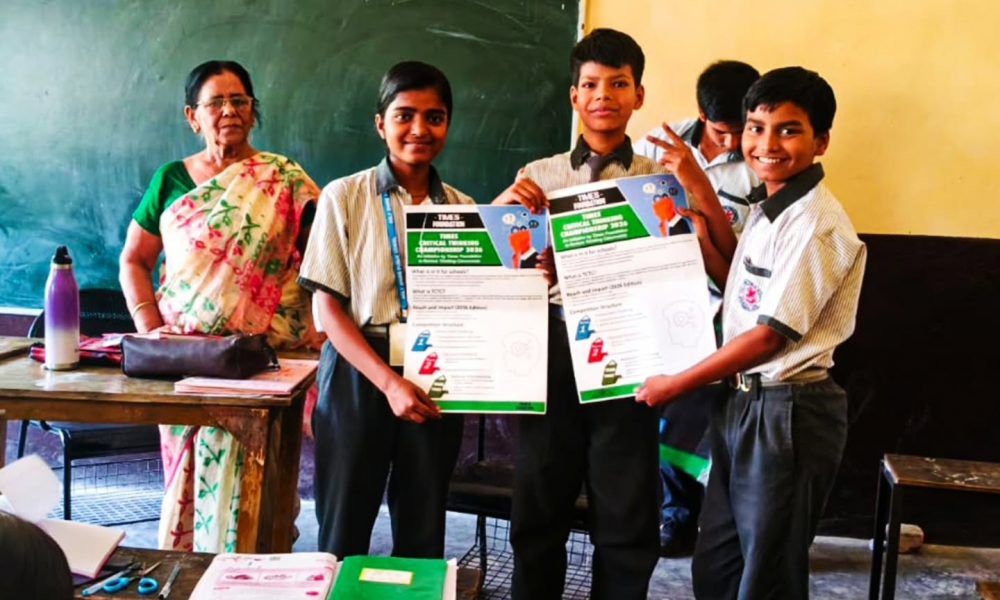
2026 AM/NS India Times Critical Thinking Championship Aims to Equip 1 Million Students with Essential 21st-Century Skills
Knowing the right answer matters in school, but knowing how to reach that answer matters even more. The AM/NS India Times Critical Thinking Championship 2026 wants students across India to get better at doing exactly that.
The national programme brings together ArcelorMittal Nippon Steel India, known as AM/NS India, and the Times Foundation. The two organisations formalised their collaboration through a Memorandum of Understanding signed in New Delhi.
The scale of the initiative makes it especially ambitious. Organisers aim to reach nearly one million students from Classes III to XII across more than 4,000 schools throughout India. The focus goes far beyond another school quiz or academic contest. Students will work on reasoning, observation, problem-solving, independent judgment, and the ability to examine evidence before reaching a conclusion.
Those skills have become increasingly valuable as young people grow up surrounded by social media, artificial intelligence, online claims, and endless streams of information. Finding information takes seconds now, but deciding what deserves trust requires much more thought.
Moving Students Beyond Rote Learning
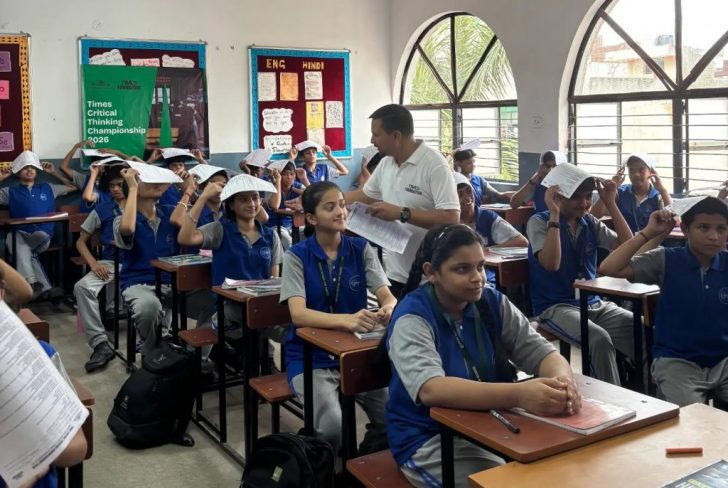
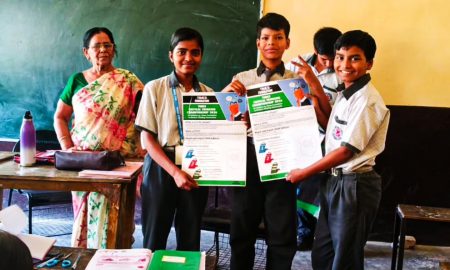
@toitctc / Instagram / The Critical Thinking Championship takes a unique approach by asking students to question, compare, reason, and make informed judgments.
That approach closely matches the goals of India’s National Education Policy 2020. The policy encourages experiential and inquiry-based learning, with greater attention placed on understanding concepts instead of simply memorising textbook material.
Critical thinking starts with asking useful questions. Students need to recognize what they know, identify what remains unclear, examine the available evidence, and decide which conclusions actually make sense.
These habits can help in almost every subject. A science student can question why an experiment produced a certain result, while a history student can compare sources before accepting one version of an event. The championship focuses on five core areas of critical thinking. These include separating facts from opinions, recognizing the difference between correlation and causation, identifying problems, examining assumptions and inferences, and evaluating arguments.
Each skill has a practical use outside school. Someone who understands the difference between fact and opinion, for example, has a better chance of spotting misleading claims in advertisements, viral posts, and online videos.
Correlation and causation can be equally important. Two events happening together do not automatically mean one caused the other, yet misleading arguments often depend on people making exactly that assumption.
Evaluating arguments also teaches students to look beyond confidence and presentation. A claim may sound convincing, but strong reasoning requires relevant evidence and a logical connection between that evidence and the conclusion.
The programme adapts these ideas for different age groups. Students are divided into tiers covering Classes III to V, Classes VI to VIII, and Classes IX to XII, allowing tasks to match their level of development.
Nearly One Million Students Could Take Part
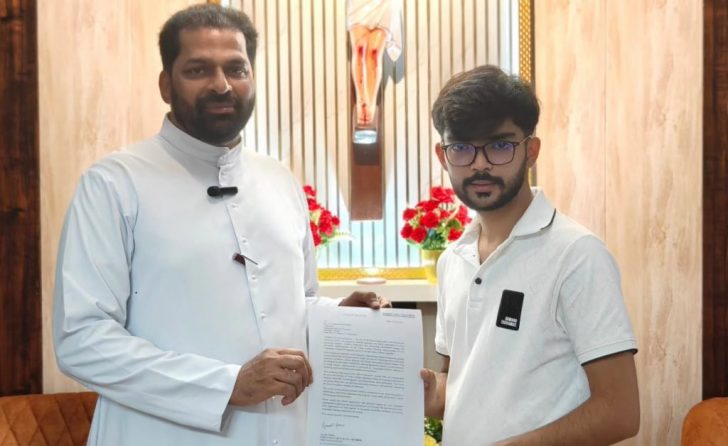
@toitctc / Instagram / The 2026 championship aims to reach close to one million students across 28 states and eight Union Territories. More than 4,000 schools are expected to participate.
The participating institutions also include 242 schools supported through AM/NS India’s education initiatives. The championship forms part of the company’s broader corporate social responsibility work focused on education and stronger communities.
The target represents a major expansion from the previous edition. The 2025 championship reportedly attracted around two lakh students from roughly 5,000 schools across 25 cities.
Teacher development was also a significant part of that effort. More than 5,000 teachers received training, helping critical thinking methods reach classrooms beyond the students directly participating in the competition.
More inOpen Your Mind
-
`
 Why These Popular Colorado Food Spots Are Worth a Visit!
Colorado makes it easy to plan an entire day around food. The state serves bold flavors, strange themes, and dining rooms...
March 27, 2026 -
`
 Rockstar Billy Idol Is Opening Up About Fatal Overdose in New Documentary
Billy Idol built his legend on attitude, leather, and loud guitars. The pop icon, now 70, became one of the defining...
March 19, 2026 -
`
 Why Saranac Lake’s Iconic Ice Palace Was Canceled This Year
For more than a century, winter in Saranac Lake meant one thing above all else. The Ice Palace rose from the...
March 13, 2026 -
`
 How to Manage Overwhelming Emotions? A Step-by-Step Guide
When your feelings feel too big to handle, it can be scary and confusing. Intense waves of rage, panic, grief, or...
March 7, 2026 -
`
 5 Reasons Why Japan Is a Must-Visit Destination for Alaskans
For many Alaskans, Japan feels far away on the map. The flight is long, and the culture seems worlds apart. Yet...
February 26, 2026 -
`
 Ice-T Looks Back at His Towering Career & Explains the Term “OG.”
Ice-T never set out to become a legend. The iconic rapper, 67, just wanted to survive, speak his truth, and make...
February 21, 2026 -
`
 How to Create Your Own Community
Most people say they want community, but very few know how to create one. The idea of a village sounds warm...
February 14, 2026 -
`
 5 Powerful Reasons Why You Should Manifest Right After Waking
Manifesting immediately after waking seems almost too easy, but there’s real power in this quiet moment. Your mind is fresh, open,...
February 5, 2026 -
`
 Here’s How ‘Snack Tourism’ is Transforming Travel Adventures
Travel used to mean landmarks, museums, and photo stops that all looked the same after a while. Now it looks more...
January 31, 2026
More From MilitaryBud
-
 2026 AM/NS India Times Critical Thinking Championship Aims to Equip 1 Million Students with Essential 21st-Century Skills
Knowing the right answer matters in school, but knowing how to reach that answer matters even more. The AM/NS India Times...
Open Your MindAugust 20, 2026 -
 Bethenny Frankel Turns Her Viral “Supermodel Snacks” Into a Real Cafe Experience
Bethenny Frankel is taking one of her biggest social media successes beyond the screen. The entrepreneur and television personality is opening...
Food AdventuresAugust 12, 2026 -
 How Celebrity Farms & Billionaires Turned the Cotswolds Into a Billion-dollar Lifestyle Brand
The Cotswolds used to be that quiet, scruffy place where farmers worked the land and city folks escaped for a peaceful...
LifestyleAugust 6, 2026 -
 Exclusive Startup Community is Replacing Burnout with Adventure and Cure for ‘Sunday Scaries’
For many entrepreneurs, Sunday evenings bring a familiar feeling of stress. The weekend ends, inboxes fill up, and another busy week...
CommunityJuly 28, 2026 -
 How to Open the Door to the Subconscious Mind
The subconscious mind quietly shapes daily life. It stores memories, habits, emotions, and learned behaviors that often operate without conscious effort....
Open Your MindJuly 23, 2026
You must be logged in to post a comment Login