
How the Internet Has Given Birth to the Rising Coffee Culture? A Closer Look
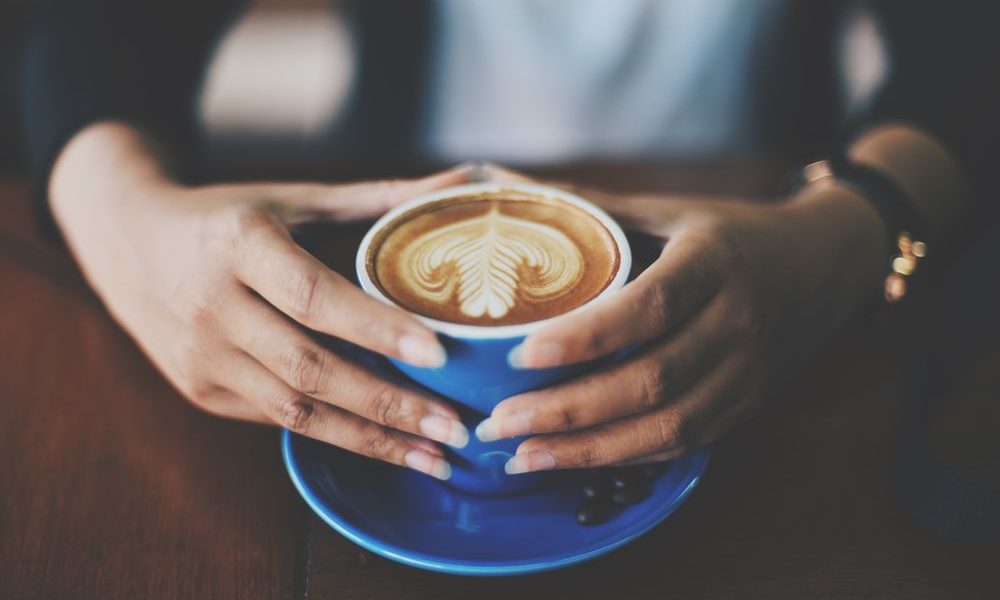
Coffee is no longer just a way to wake up in the morning. It has become a lifestyle, a social activity, and even a form of self-expression. Across the world, people now talk about coffee the same way they talk about fashion, fitness, and travel. They share recipes, review cafés, and proudly show off their favorite drinks online.
The internet sits at the center of this transformation. Platforms like TikTok, Instagram, and YouTube have changed how people discover, drink, and think about coffee. What was once a simple beverage has become a fast-moving cultural trend shaped by millions of daily posts, videos, and conversations.
Social Media Turned Coffee Into a Lifestyle
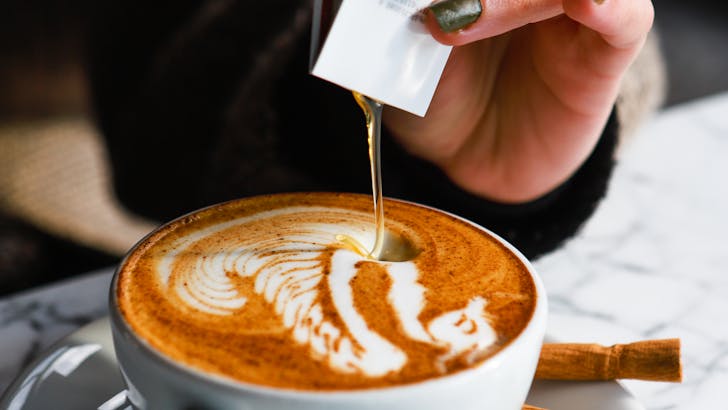
Samett / Pexels / Coffee culture existed long before social media arrived. People gathered in cafés, enjoyed specialty blends, and appreciated the craft behind a good cup.
What changed was the speed at which trends could spread and the number of people who could participate.
Today, one creative coffee video can reach millions of viewers within hours. A unique recipe from Seoul can inspire coffee lovers in London, Toronto, or Sydney the very same day. Social media has removed geographic barriers and created a global coffee conversation where everyone can join.
Visual platforms have been especially influential. Coffee looks good on camera, and that matters. Swirling cold foam, colorful ingredients, and beautifully designed cafés attract attention instantly. As a result, coffee has become one of the most shared beverage categories online.
For younger consumers, social media is often the first place they learn about coffee trends. Instead of relying on advertisements, they watch creators test drinks, compare brewing methods, and review products. This peer-driven discovery feels more authentic and encourages experimentation.
The Rise of ‘Wellness-Focused Coffee’
One of the biggest shifts in recent years has been the connection between coffee and wellness. Consumers increasingly want beverages that offer more than caffeine. They are looking for drinks that support energy, nutrition, and overall well-being.
This demand helped fuel the popularity of protein coffee, often called “proffee.” The trend started within online fitness communities and quickly spread across social platforms. By combining coffee with protein, consumers found a convenient option that fits busy schedules and health-conscious lifestyles.
Major coffee chains quickly noticed the growing interest. Protein-enhanced coffee drinks began appearing on menus, bringing a once-niche trend into the mainstream. The success of these products highlights how online habits can influence large companies and reshape entire beverage categories.
The wellness movement extends beyond protein. Consumers are becoming more aware of how caffeine affects sleep, stress, and daily balance. This awareness has sparked growing interest in decaf coffee and lower caffeine options.
At the same time, social media conversations around gut health have influenced beverage choices. Interest in fiber-rich drinks, fermented beverages, and functional ingredients continues to grow. Cafés are adapting by expanding menus to include options that align with modern health goals.
Global Flavors are Reshaping Coffee Menus
Agus / Pexels / The internet has transformed how flavor trends spread across borders. Consumers no longer discover international ingredients years after they become popular elsewhere. Today, trends travel almost instantly.
Matcha helped introduce many consumers to Asian inspired beverages. Its success opened the door for a wider range of ingredients to enter mainstream coffee culture. People became more willing to try flavors that once felt unfamiliar.
Ube, the vibrant purple yam from the Philippines, is a perfect example. Its eye-catching appearance made it highly shareable online, while its subtle sweetness appealed to adventurous drinkers. As interest grew, major coffee brands began introducing ube-inspired beverages.
Other ingredients such as pandan, hojicha, yuzu, black sesame, and calamansi are also gaining popularity. These flavors add variety and give consumers a chance to experience different culinary traditions through their daily coffee routines.
This global exchange creates excitement for both customers and café owners. Consumers enjoy discovering something new, while coffee shops gain fresh opportunities to stand out in a crowded market. Every new ingredient tells a story and adds another layer to the coffee experience.
More inLifestyle
-
`
 5 Reasons Why Japan Is a Must-Visit Destination for Alaskans
For many Alaskans, Japan feels far away on the map. The flight is long, and the culture seems worlds apart. Yet...
February 26, 2026 -
`
 Ice-T Looks Back at His Towering Career & Explains the Term “OG.”
Ice-T never set out to become a legend. The iconic rapper, 67, just wanted to survive, speak his truth, and make...
February 21, 2026 -
`
 How to Create Your Own Community
Most people say they want community, but very few know how to create one. The idea of a village sounds warm...
February 14, 2026 -
`
 5 Powerful Reasons Why You Should Manifest Right After Waking
Manifesting immediately after waking seems almost too easy, but there’s real power in this quiet moment. Your mind is fresh, open,...
February 5, 2026 -
`
 Here’s How ‘Snack Tourism’ is Transforming Travel Adventures
Travel used to mean landmarks, museums, and photo stops that all looked the same after a while. Now it looks more...
January 31, 2026 -
`
 How You Can Find Love in Ireland’s Century-Old Singles Festival
If dating apps have drained your energy, you are not alone. Swiping, ghosting, and forced small talk can make love feel...
January 24, 2026 -
`
 This Unique, Pacifist Ethiopian Community is Preaching Peace Amid the Amhara Conflict
High in Ethiopia’s Amhara highlands sits Arwa Amba, a village that runs on calm when chaos surrounds it. About 500 to...
January 17, 2026 -
`
 How to Remain Calm in Anxious Times? A 3-Step Framework That Always Works
Anxiety shows up fast. Your chest tightens, and your thoughts race. The world feels loud and heavy all at once. When...
January 11, 2026 -
`
 Oreo Introduces 9 New Holiday Flavor Varieties Just in Time
The holidays are louder, sweeter, and way more fun when cookies get involved. This year, Oreo is making this holiday season...
January 2, 2026
More From MilitaryBud
-
 How to Open the Door to the Subconscious Mind
The subconscious mind quietly shapes daily life. It stores memories, habits, emotions, and learned behaviors that often operate without conscious effort....
Open Your MindJuly 23, 2026 -
 Enjoy New Zealand’s Scenic Views, Culture & Food via Train
New Zealand is famous for its dramatic scenery, but seeing it from a train brings a completely different experience. Instead of...
Food AdventuresJuly 15, 2026 -
 5 Reasons Why More Money is Not the Solution to All Your Problems
Most people dream about earning more money. It feels like the answer to almost every problem. Bigger paychecks promise less stress,...
LifestyleJuly 8, 2026 -
 Foundations Launch Nationwide Campaign to Disprove Fraud and Partisanship Allegations
America’s charitable foundations are stepping into the spotlight with a clear message. They want the public to know that their work...
CommunityJuly 3, 2026 -
 Why Most People Aren’t Open-minded As They Claim to Be
Ask people if they are open-minded, and most will answer with a confident yes. Few individuals see themselves as stubborn, biased,...
Open Your MindJune 25, 2026
You must be logged in to post a comment Login