

Hypnosis May Help Open Your Mind to Change & Relieve Pain, Study
Hypnosis is not mind control. It is a clinical method that puts your brain into a calm, hyper-focused state. In this state, you are more open to shifting habits, letting go of fear, and even feeling less pain. A new study shows hypnosis can change how the brain processes pain and unlock new ways to manage stress and discomfort.
Contrary to Hollywood myths, hypnotherapy does not erase your willpower. It taps into your natural ability to focus and reset. People who try it often report a deep sense of ease and a fresh way of seeing challenges. This makes it a tool worth paying attention to, especially as doctors search for safe alternatives to heavy medication.
How Hypnosis Works?
Hypnosis guides you into a calm yet alert state. It feels similar to being absorbed in a good book or an athlete finding that perfect rhythm in the middle of a game. Your mind becomes tuned in, and your body starts to let go of tension.
Brain scans back this up. Studies show shifts in attention networks and self-monitoring areas of the brain. Researchers also see an increase in slow theta waves, which are linked to deep relaxation and creative problem solving.
Four Key Stages of Hypnosis
The first stage is induction. A trained therapist uses techniques like guided imagery or steady breathing to help you unwind. Your mind becomes open to suggestion because your guard is lowered in a safe way.
Next is deepening. This step sharpens your focus through simple methods like counting or controlled breathing. Your awareness narrows, and distractions fade into the background.
The third stage is suggestion. Here, the therapist plants ideas for pain relief, stress reduction, or behavior change. Your mind, already in a relaxed groove, can accept new patterns more easily.
The final stage is emergence. The therapist gently guides you back to full alertness. People often say they feel light, clear, and surprisingly refreshed after.
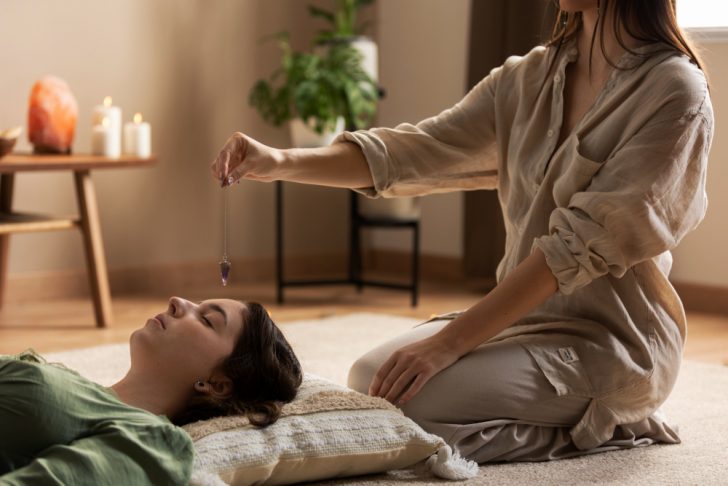
Freepik / Research shows hypnosis does more than make you feel relaxed. It actually changes how your brain connects and communicates.
This leads to less pain, lower heart rate, and calmer blood pressure. Your body becomes less reactive, which helps in recovery and stress management.
Doctors are excited because hypnosis offers a way to treat pain without heavy drug use. People who try it before surgery often need fewer opioids after. That means fewer side effects and a smoother healing process.
Clinical Applications
Pain management is one of the strongest uses. Surgeons and dentists have seen patients go through procedures with less discomfort and faster recovery times. It is not magic, but it helps your brain reinterpret signals that normally scream pain.
Chronic pain is trickier, but some people report long-term relief. It is not a one-size-fits-all solution, yet it can be a key part of a broader plan when other methods fall short.
Anxiety and stress also respond well to hypnosis. Patients heading into surgery often feel calmer after a session. Veterans dealing with post-traumatic stress have also shown improvement. This calm state allows the mind to process fear in a safe setting.

Gaspar / Unsplash / Hypnosis has helped people with irritable bowel syndrome manage symptoms better. Smokers and those trying to lose weight use it to break stubborn habits.
Even people with sleep troubles find it helps them rest more deeply.
When done by trained professionals, hypnotherapy is safe. Side effects are rare and mild, like feeling a bit dizzy or recalling a memory with odd details. It is not risky like some drugs, and it does not replace your judgment.
However, not everyone responds the same way. About one in five people are very receptive, while others may need several sessions before noticing big changes. The key is working with someone experienced who knows how to tailor sessions to your needs.
More inOpen Your Mind
-
`
 5 Reasons Why Japan Is a Must-Visit Destination for Alaskans
For many Alaskans, Japan feels far away on the map. The flight is long, and the culture seems worlds apart. Yet...
February 26, 2026 -
`
 Ice-T Looks Back at His Towering Career & Explains the Term “OG.”
Ice-T never set out to become a legend. The iconic rapper, 67, just wanted to survive, speak his truth, and make...
February 21, 2026 -
`
 How to Create Your Own Community
Most people say they want community, but very few know how to create one. The idea of a village sounds warm...
February 14, 2026 -
`
 5 Powerful Reasons Why You Should Manifest Right After Waking
Manifesting immediately after waking seems almost too easy, but there’s real power in this quiet moment. Your mind is fresh, open,...
February 5, 2026 -
`
 Here’s How ‘Snack Tourism’ is Transforming Travel Adventures
Travel used to mean landmarks, museums, and photo stops that all looked the same after a while. Now it looks more...
January 31, 2026 -
`
 How You Can Find Love in Ireland’s Century-Old Singles Festival
If dating apps have drained your energy, you are not alone. Swiping, ghosting, and forced small talk can make love feel...
January 24, 2026 -
`
 This Unique, Pacifist Ethiopian Community is Preaching Peace Amid the Amhara Conflict
High in Ethiopia’s Amhara highlands sits Arwa Amba, a village that runs on calm when chaos surrounds it. About 500 to...
January 17, 2026 -
`
 How to Remain Calm in Anxious Times? A 3-Step Framework That Always Works
Anxiety shows up fast. Your chest tightens, and your thoughts race. The world feels loud and heavy all at once. When...
January 11, 2026 -
`
 Oreo Introduces 9 New Holiday Flavor Varieties Just in Time
The holidays are louder, sweeter, and way more fun when cookies get involved. This year, Oreo is making this holiday season...
January 2, 2026
More From MilitaryBud
-
 Enjoy New Zealand’s Scenic Views, Culture & Food via Train
New Zealand is famous for its dramatic scenery, but seeing it from a train brings a completely different experience. Instead of...
Food AdventuresJuly 15, 2026 -
 5 Reasons Why More Money is Not the Solution to All Your Problems
Most people dream about earning more money. It feels like the answer to almost every problem. Bigger paychecks promise less stress,...
LifestyleJuly 8, 2026 -
 Foundations Launch Nationwide Campaign to Disprove Fraud and Partisanship Allegations
America’s charitable foundations are stepping into the spotlight with a clear message. They want the public to know that their work...
CommunityJuly 3, 2026 -
 Why Most People Aren’t Open-minded As They Claim to Be
Ask people if they are open-minded, and most will answer with a confident yes. Few individuals see themselves as stubborn, biased,...
Open Your MindJune 25, 2026 -
 All the Reasons Why Darjeeling Tea, the “Champagne of Teas,” is So Popular Around the World
Few teas enjoy the kind of reputation that Darjeeling Tea has earned. Grown in the hills of India’s eastern Himalayas, this...
Food AdventuresJune 18, 2026
You must be logged in to post a comment Login